Even though sustainable social development, cultural promotion and environmental protection already play a major role in Bhutan, the country is still among the least economically developed states in the world. 60% of the population live from agriculture, and a high proportion of people are affected by poverty. Healthcare is limited, especially in rural regions; only in the capital, Thimphu, are adequate treatment options available. For its 780,000 inhabitants, the country has only 350 doctors, including 70 specialists; serious illnesses are usually treated in India.
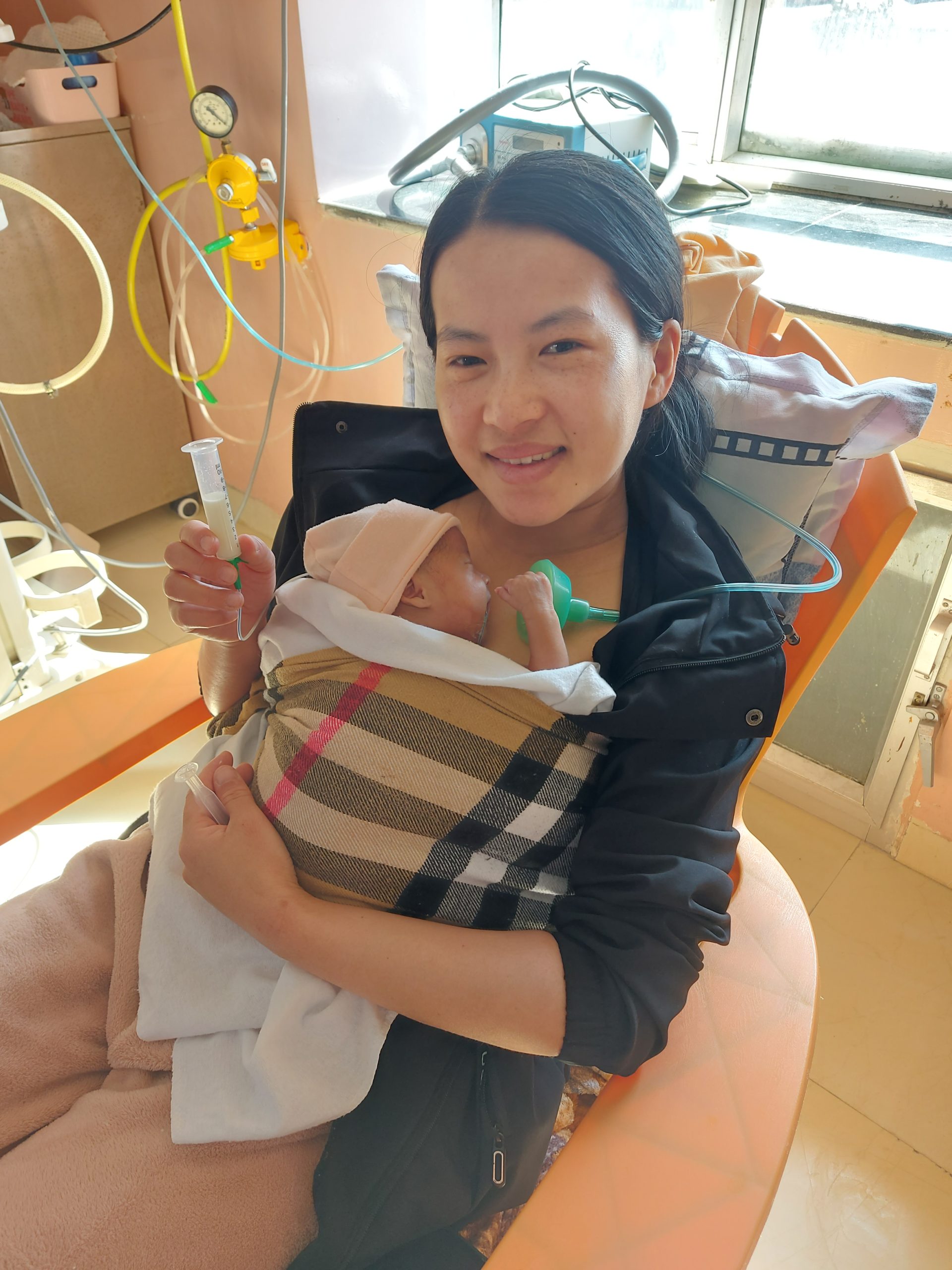
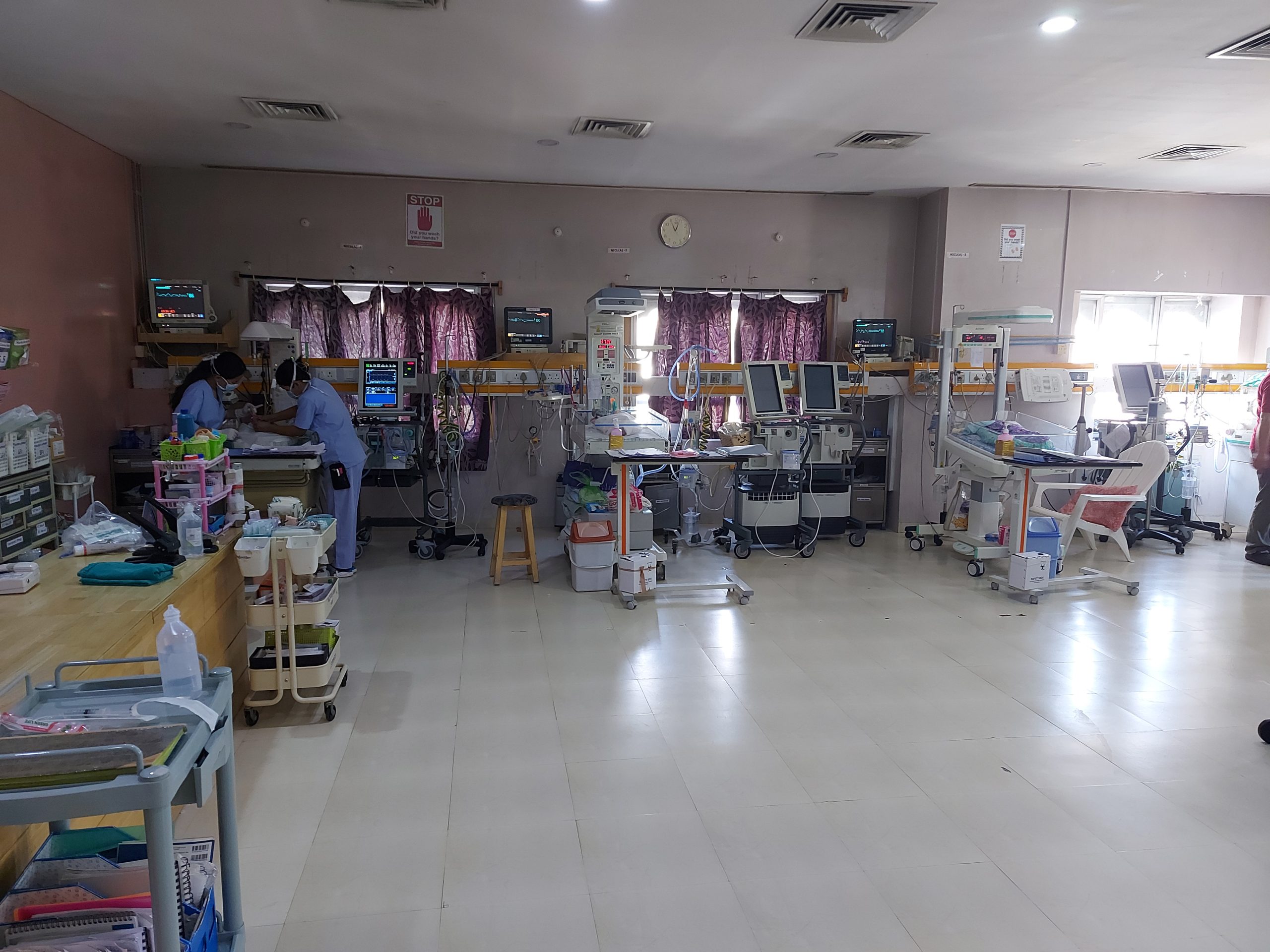
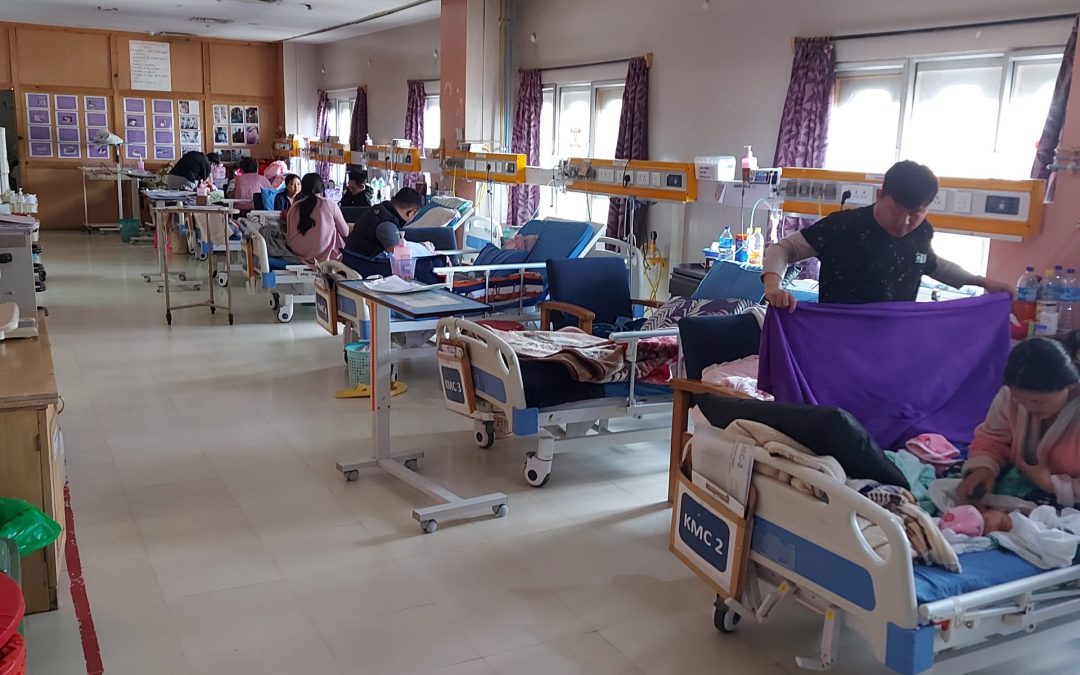
Around 10,000 children are born in Bhutan each year. Although the state has made great progress in maternal and child health, the mortality rate of newborns remains at a consistently high level. The children’s hospital in Thimphu is comparatively well equipped, but currently has no specialist physician specialised in the treatment of sick newborns and premature infants. The lack of sufficiently trained staff has a direct impact on infant and child mortality and leads to preventable neurological long-term damage, for the treatment of which the country lacks the necessary infrastructure.

read more
An initial exploratory trip in March 2023, followed by many constructive discussions and considerations with the leading physicians and responsible policymakers on site, was followed a year later by another trip to Bhutan. The first goal of the partnership is defined as improving neonatal medicine through the education and further training of medical and nursing specialist staff, fully in line with the WHO’s development goals (“Born too soon”, WHO 2023). To this end, curricula are developed and implemented, and theoretical knowledge as well as practical skills are taught. This takes place in regular online events as well as during visits on site, carried out by staff from Charité Berlin and, depending on requirements, also by specialists from other disciplines and institutions.
ARCHEMED is also launching a training programme in the field of paediatric surgical urology for Bhutanese doctors, to train and further educate them in the treatment of complex paediatric urological cases. This is done through online courses, visits on site, as well as observerships at German university hospitals such as LMU.
Project Management
Neonatology: Prof. Dr. Christoph Bührer, neonatologist, Berlin
Paediatric urology: Dr. Regina Stredele, paediatric urologist, Munich